









Multi-lane vs Single-lane Powder Packing Machines Which Is Right for Your Business

You need the right powder packing machine for your business. Your production volume, product type, available space, and budget guide your choice. Multi-lane powder packing machine suits high-volume needs and speeds up output, while single-lane machines offer flexibility for smaller operations. The market for automatic machines continues to grow, with 42.3% share and food industry leading at 52.6%.
| Statistic Description | Value |
|---|---|
| Projected market growth (2025 to 2035) | USD 4.8B to USD 6.3B |
| Food industry revenue share in 2025 | 52.6% |
| Automatic category revenue share in 2025 | 42.3% |
Consider your business needs before making a decision.
- Multi-lane machines require more space and higher investment but boost speed.
- Single-lane machines adapt easily to product changes and fit smaller spaces.
Key Takeaways
- Choose a multi-lane machine for high-speed packing and large production needs. It can boost output significantly, making it ideal for big brands.
- Opt for a single-lane machine if you need flexibility and lower costs. It suits small operations and allows for quick product changes.
- Consider your available space and budget. Multi-lane machines require more room and investment, while single-lane machines fit in smaller areas and cost less.
- Evaluate the type of powder you pack. Different powders may need specific machines for optimal performance and accuracy.
- Plan for future growth. If you expect to increase production, a multi-lane machine can scale with your business needs.
Quick Comparison
Main Differences
You want to choose the best packing machine for your business. You need to compare the main features of single-lane and multi-lane machines. The table below helps you see the differences quickly.
| Factor | Single Lane Packing Machine | Multi Lane Packing Machine |
|---|---|---|
| Purchase Cost | Lower | Higher |
| Operating Cost | Lower | Higher |
| Output Speed | Moderate (about 20 packs/min) | Very High (over 60 packs/min) |
| Space Needed | Small | Larger |
| Flexibility | High (easy changeover) | Moderate (more complex setup) |
| Best Use Cases | Small producers, specialty items, pharmacy repack, seasonal runs | Large brands, high-speed packing, pharmaceutical, sauces, dessert factories |
Tip: You can double or triple your output with a multi-lane powder packing machine. It boosts packing speed by up to 60% and increases production efficiency by 50%.
You see that single-lane machines fit small spaces and cost less. They work well for small food producers, specialty products, and pharmacy repack operations. You can switch products easily and handle seasonal production.
Multi-lane machines make many bags at the same time. You can choose from 2 to 18 lanes. These machines use independent servo motors for accurate filling. You get higher production output and faster packaging speed. Large snack and coffee brands, pharmaceutical manufacturing, and dessert factories use these machines for high-volume needs. You need more space and a bigger budget, but you gain speed and efficiency.
You should think about your business size, product type, and growth plans. If you want flexibility and easy changeover, single-lane machines suit you. If you need high throughput and fast packing, a multi-lane powder packing machine gives you the best results.
Multi-lane Powder Packing Machine Overview

Speed and Output
You can boost your production with a multi-lane powder packing machine. This machine packs many sachets at the same time. You get higher output compared to single-lane machines. If you need to fill small sachets quickly, you will see a big advantage.
- Multi-lane powder packing machines operate several lanes at once.
- You can meet high daily output needs in busy seasons.
- These machines stabilize output and reduce errors.
- Automated packing keeps production smooth and predictable.
You will find these machines in food and pharmaceutical factories. They help you pack products fast and keep waste low. You must calibrate and maintain them to get the best performance.
Cost and Savings
You may pay more upfront for a multi-lane powder packing machine, but you save money over time. The machine uses high precision to cut waste. You spend less on materials. Automation lowers labor costs and reduces mistakes.
Here is a table showing typical cost savings:
| Aspect | Description |
|---|---|
| Reduced Waste | High precision packaging minimizes material waste, leading to cost savings. |
| Increased Productivity | The machine's high productivity allows for more output in less time. |
| Lower Operational Costs | Automation reduces labor costs and operational expenses significantly. |
You can adjust the packaging speed to fit your needs. You get more output in less time, which helps your business grow. You must plan for regular maintenance and operator training. This keeps your machine running well and avoids production loss.
Product Suitability
You can use a multi-lane powder packing machine for many products. The machine handles different shapes and sizes. You can customize it for your product.
Here are some technical features you may find:
| Feature | Description |
|---|---|
| Efficient production | Handles multiple packaging work units simultaneously, allowing for parallelized processes. |
| Versatility | Accommodates different shapes, sizes, and types of product packaging with customization options. |
| Accurate dosing | Ensures precise filling and dosing capabilities for each packaging unit. |
| Hygienic Standards | Made of 304 stainless steel to meet strict hygiene requirements in various industries. |
| Flexibility | Offers various cutting, sealing, and marking options for different packaging designs. |
| Automation control | Utilizes Siemens control systems for automated operation and precise packaging control. |
You may see Omron PLC controllers, servo-driven film pulling, and pneumatic sealing. These features help you pack powders, granules, and other products. You can use the machine for coffee, spices, pharmaceuticals, and more. You get reliable, fast, and clean packaging.
Single-lane Machine Overview
Flexibility and Changeover
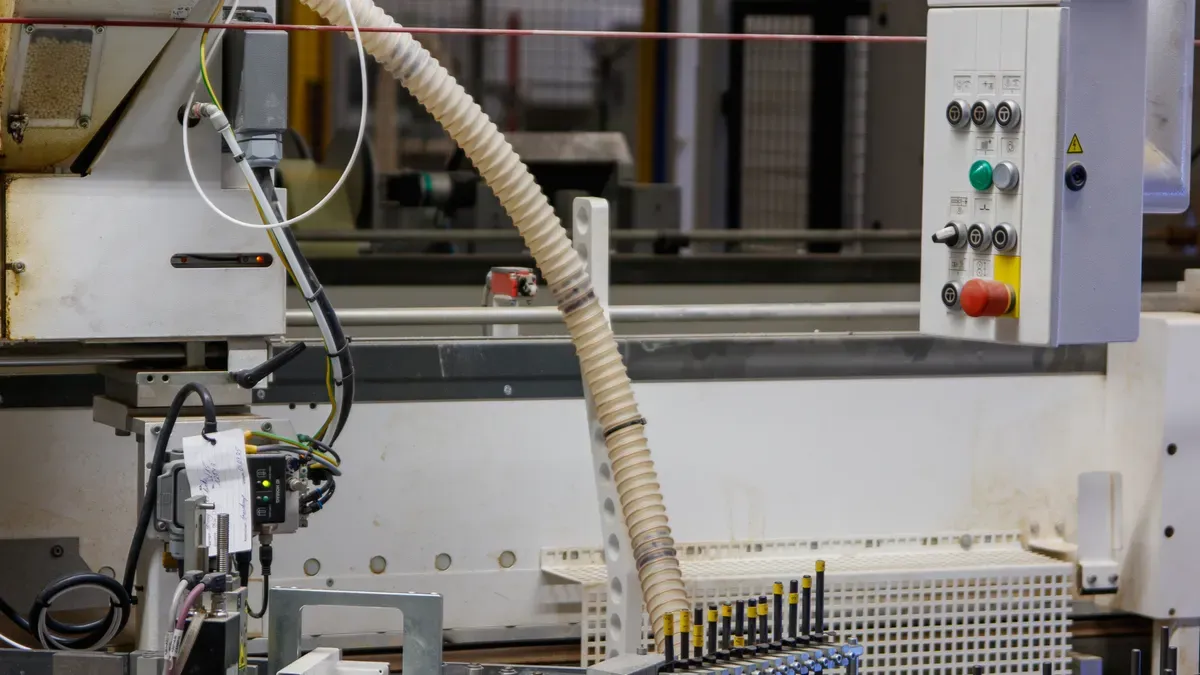
You gain flexibility with a single-lane powder packing machine. You can switch between products quickly. You do not need to spend much time on changeover. Many single-lane machines use quick-release hoppers. This feature lets you change products in about 20 minutes. You avoid long delays that can happen with traditional machines.
- You handle small batches with ease.
- You adapt to new products or packaging sizes without major adjustments.
- You keep downtime low and production moving.
You pack about 20 sachets per minute. You do not reach the speed of multi-lane machines, but you get more control over each run. You can test new products or respond to seasonal demand. You do not need to replace the whole machine when trends shift.Tip: If you run specialty items or change recipes often, single-lane machines help you stay agile.
Cost and Space
You save money when you choose a single-lane machine. You pay less upfront. You spend less on maintenance. You use less floor space. You fit the machine into small production areas. You do not need a large facility.
- You lower your operating costs.
- You reduce labor needs because the machine is simple to run.
- You avoid complex maintenance routines.
You keep your budget in check. You do not sacrifice quality. You get reliable packing for powders, granules, or pastes.
Best Applications
You find single-lane machines in many small and medium-sized businesses. You use them for food, cosmetics, and pharmaceuticals. You pack powders, grains, and pastes. The table below shows common models and their best uses:
| Model | Suitable For | Example Products |
|---|---|---|
| LMSTS-450P | Non-free-flowing powders | Spice powders, yeast powder, corn flour |
| LMSTS-450G | Grains and free-flowing powders | Sugar, salt, granular spices, ground coffee |
| LMSTS-450L | Thicker pasty products | Ketchup, soy sauce, honey, salsa, lotion, shampoo |
| LMSTS-450LP | Very thick pasty products | Oils, jams, jellies, cream cheese |
You match the machine to your product type. You get consistent results. You keep your operation simple and efficient.
Choosing the Right Machine
Decision Criteria
You want to choose a powder packing machine that fits your business. You need to look at several important factors before you decide. The table below shows the main decision criteria and what each one means for your operation.
| Decision Criteria | Description |
|---|---|
| Features | High-end machines offer automation, precision, and adaptability with advanced components. |
| Material Characteristics | The nature of the powder affects the choice of machine type, such as free-flowing vs. non-free-flowing. |
| Maintenance Considerations | Regular maintenance and support services are crucial for operational longevity and reliability. |
| Pricing Factors | Total ownership costs, including installation and spare parts, impact the overall investment. |
| Compatibility with Packaging | Machines must accommodate the specific characteristics of the powders being packed. |
| Upgradability | Modular designs allow for future enhancements without complete replacement. |
You should also think about your production volume, the type of powder you pack, the space you have, and your budget. Each of these factors will guide you toward the right machine.Tip: Always confirm the specific products you want to fill. Different powders may need different machines because of their properties.
Here are some practical steps to help you make the best choice:
- Identify your powder type. Free-flowing powders like sugar need different filling systems than sticky powders like flour.
- Check filling technology. Look for machines that offer the right filling method, such as auger or gravity fillers.
- Decide on automation. High-volume businesses benefit from more automation. Smaller operations may not need it.
- Focus on accuracy. Choose a machine that keeps filling precise, even if powder density changes.
- Review accessibility. Make sure operators can reach parts for cleaning and maintenance.
- Balance cost and quality. Startups may want to save money, but quality materials last longer.
- Plan for growth. If you expect to grow, pick a machine that can be upgraded or expanded.Note: Visit the manufacturer’s factory if possible. Pay attention to machine details and ask about after-sales service.
Matching to Business Needs
You need to match the machine’s features to your business goals. Every business has unique needs, so you should look at how each machine fits your products and workflow.
- Adapting to Powder Characteristics: Choose a machine that handles your powder’s flow and texture. Some powders need special filling systems to avoid clumping or spilling.
- Ensuring Hygiene and Compliance: If you work in food or pharmaceuticals, pick machines made from stainless steel. This keeps your products safe and meets industry standards.
- Maximizing Flexibility in Packaging: If you often change pouch sizes or styles, select a machine that can adjust quickly. Single-lane machines offer more flexibility for frequent changes.
- Planning for Scalability: If your business is growing, consider a Multi-lane powder packing machine. This type can increase output as your demand rises.
Here are some common mistakes to avoid:
- Forgetting to confirm the exact products you will pack.
- Choosing a machine that is hard to operate or maintain.
- Ignoring the need for quality certifications.
- Overlooking after-sales support from the manufacturer.Tip: Select a manufacturer with a strong reputation. Good support and reliable machines save you time and money in the long run.
You should always balance your current needs with your future plans. If you run a small business with many product changes, a single-lane machine may work best. If you need high speed and large output, a Multi-lane powder packing machine can help you reach your goals.
Case Examples
When Multi-lane Is Best
You run a snack factory. You need to pack many flavors at once. Multi-lane powder packing machines help you reach high output. You can package several flavors or varieties at the same time. You save time because you do not need to change packaging specs often. One operator can manage several lanes. You lower labor costs and reduce mistakes.
| Advantage | Description |
|---|---|
| Increased Output | Multi-lane machines package several times the volume of single-lane machines per unit time. |
| Time Savings | You spend less time on adjustments and downtime. |
| Compatibility with Materials | You can pack powders, granules, liquids, and tablets. |
| Reduced Labor Costs | One operator manages multiple lanes, lowering manpower needs. |
| Reduced Operational Complexity | Automated processes lower human error and streamline operations. |
You see multi-lane machines in large food factories, pharmaceutical plants, and coffee companies. You keep up with high-volume retail and wholesale demand. You respond quickly to seasonal promotions. You get faster turnaround and higher efficiency.Tip: If you need to package many products fast, multi-lane machines give you a big advantage.
When Single-lane Is Best
You own a small bakery. You pack specialty powders and change recipes often. Single-lane machines help you stay flexible. You switch products quickly. You handle small batches with ease. You do not need a large space or big budget.
| Feature/Benefit | Multi-Lane Machines | Single-Lane Machines |
|---|---|---|
| Product Variety Handling | Multiple flavors at once | One flavor at a time |
| Output Efficiency | High output per hour | Lower output |
| Labor Requirements | Fewer operators needed | More operators needed |
| Error Reduction | Fewer packing mistakes | More chance of errors |
| Adaptability to Demand | Keeps up with high-volume demand | Slower response |
| Turnaround Speed for Promotions | Fast for seasonal products | Slower turnaround |
You find single-lane machines in small food shops, cosmetic labs, and pharmacies. You get reliable packing for powders, grains, or pastes. You keep your operation simple. You avoid complex maintenance. You stay agile and ready for new products.Note: If you value flexibility and easy changeover, single-lane machines fit your business best.
You must match your production needs, budget, and product type to the right powder packing machine. The table below highlights the main differences:
| Feature | Single Lane | Multi-Lane |
|---|---|---|
| Best For | Smaller operations or elaborate packaging | High-volume production |
| Cost-Effectiveness | More cost-effective for lower volumes | Excels in speed and efficiency |
No single answer fits every business. Use the decision guide to help you choose.Always share your product’s Safety Data Sheet and test your toughest powder with the supplier. This ensures the machine works before you buy.
If you need help, reach out to an expert for a tailored recommendation.
FAQ
What is the main difference between single-lane and multi-lane powder packing machines?
You get higher speed and output with multi-lane machines. Single-lane machines offer more flexibility and cost less. Multi-lane suits large production. Single-lane fits small batches or frequent product changes.
Can I pack different powder types with one machine?
You can pack many powder types if you choose the right filling system. Some powders need special augers or feeders. Always check with your supplier before buying.
How much space do I need for a multi-lane machine?
Multi-lane machines need more floor space than single-lane models. You should measure your production area first. Ask the supplier for machine dimensions and layout advice.
How often should I maintain my powder packing machine?
You should follow the maintenance schedule in your manual. Clean and check the machine daily. Plan for professional servicing every few months to keep it running smoothly.