







Multi-lane or Single-lane Granule Packing Machines Which Suits Your Business Best
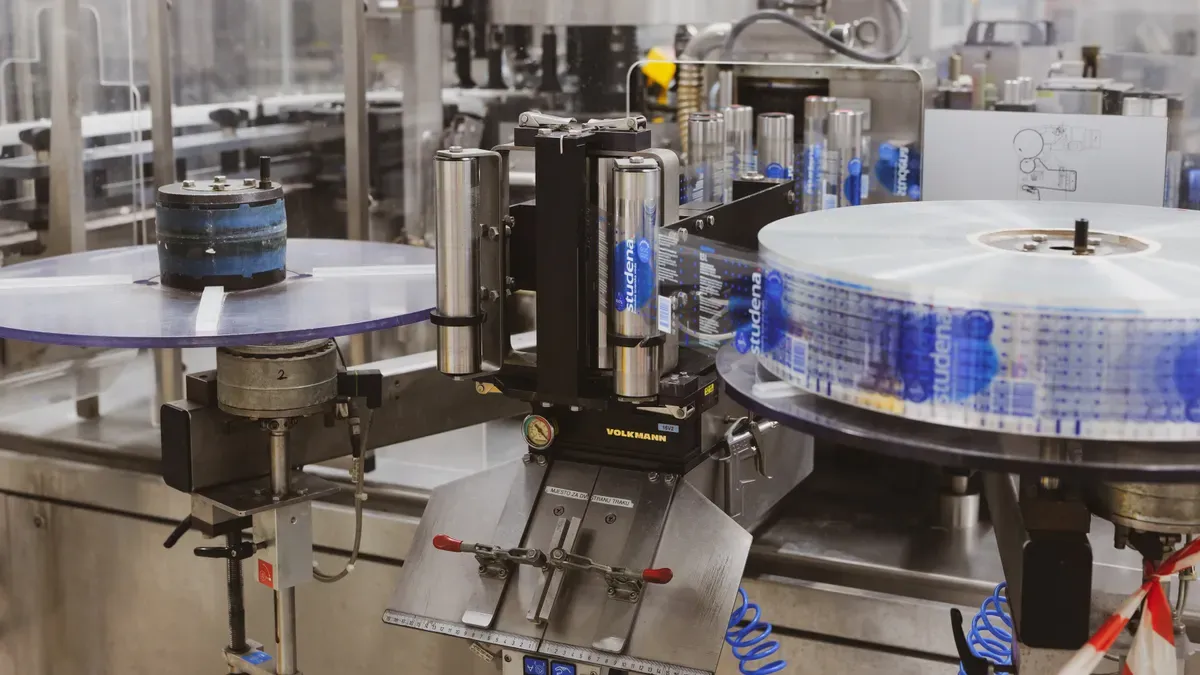
You want the right packing solution for your business. If you need high speed and large output, a multi-lane granule packing machine fits best. This type works well for food, beverage, and pharmaceutical products like instant coffee, sugar, and seasoning powder. For flexible production or smaller batches, single-lane machines offer simple operation and quick changeovers. Your choice depends on your volume, product type, and the need for speed.
Key Takeaways
- Choose a multi-lane granule packing machine for high-speed production and large output, ideal for food and pharmaceutical products.
- Opt for a single-lane machine if you need flexibility for smaller batches and quick product changes, perfect for small businesses.
- Consider your budget: multi-lane machines have a higher initial cost but offer lower operating costs and faster ROI for high volumes.
- Evaluate your space requirements; multi-lane machines need more floor space, while single-lane machines fit better in smaller areas.
- Match your machine choice to your product type; multi-lane machines excel with powders and granules, while single-lane machines provide control for custom orders.
Speed & Output
Multi-lane Granule Packing Machine Performance
You can boost your production speed with a multi-lane granule packing machine. This machine operates with several lanes in parallel, usually between 4 and 12. Each lane fills and seals bags at the same time. You only need one or two operators to manage the whole line. The Soontact SC-320G/620G/720G/820G models show how more lanes lead to higher output and precise filling. When you use a multi-lane granule packing machine, you get consistent bag quality and fast results. The output is several times higher than single-lane machines. For example, a double-column machine produces twice as much as a single-lane machine, while a four-column machine gives you four times the output.
| Lane Count | Impact on Production Efficiency |
|---|---|
| 1 | Lower output, slower processing |
| 2-6 | Moderate output, balanced speed |
| 7-12 | High output, significantly faster processing |
Single-lane Machine Output
A single-lane machine packs one bag at a time. You get slower output, but you gain flexibility. This machine suits smaller batches and frequent product changes. You can switch between products quickly. If you run a small business or need to pack different granules, a single-lane machine gives you control and easy operation. You do not need a large team to run it.
Impact on Production
Your choice affects your production timeline. Multi-lane granule packing machines help you meet high demand during peak seasons. They stabilize output and reduce errors. Automated packing solutions improve predictability and keep production running smoothly. Legacy equipment often slows down your process and makes it harder to deliver on time. You should consider your business needs and decide which machine fits your goals.
Cost Factors
Initial Investment
You will notice a higher upfront cost when you choose a multi-lane granule packing machine. This machine uses advanced technology and has more parts. You pay more at the start, but you get faster production and better efficiency. Single-lane machines cost less to buy. They work well for small businesses or those just starting out. If you plan to grow your business or handle large orders, the higher investment in a multi-lane machine can pay off over time.
Operating Costs
Operating costs include maintenance, downtime, and labor. Multi-lane machines help you save money in the long run. They run with less downtime—up to 60% less than single-lane machines. You also spend about 40% less on maintenance. These machines need fewer workers to operate. You can see the differences in the table below:
| Feature | Multi-Lane Machines | Single-Lane Machines |
|---|---|---|
| Speed | 200%-700% Capacity Boost | Standard capacity |
| Downtime | 60% Less Downtime | Higher downtime |
| Maintenance Costs | 40% Lower Maintenance Costs | Higher maintenance costs |
| Cost per Unit | Lower per unit with high volume | Higher per unit |
| Best TCO | For >20–50M bags/year; material savings exceed capital difference | Not specified |
Cost per Unit & ROI
You want to know how fast you will see a return on your investment. Multi-lane machines give you lower costs per unit when you pack large volumes. You can recover your investment quickly if you have steady sales. Some companies see payback in as little as three months. For example:
- Manufacturers of perfumed wet wipes, ketchup, or mayonnaise often recover costs fast.
- Companies using stick pack machines can see a 23% better return over five years with regular maintenance.
- Trained workers solve most issues, which keeps repair costs low.
If you run a small operation, a single-lane machine may fit your budget and needs. For high-volume production, a multi-lane granule packing machine offers better long-term value.
Applications

Business Size Suitability
You need to match your packing machine to your business size. If you run a large company, you often face high demand and strict deadlines. A multi-lane granule packing machine helps you meet these needs. You can pack many products at once and keep up with big orders. Small businesses or startups usually choose single-lane machines. These machines cost less and work well for short runs. You can switch products quickly and handle custom orders with ease. If you plan to grow, you may want to start with a single-lane machine and upgrade later.Tip: Think about your future growth. If you expect your business to expand, consider a machine that can scale with you.
Product Types
You must consider the type of granule product you want to pack. Multi-lane granule packing machines handle a wide range of products. You can use them for powders, small grains, or fine particles. These machines work well with instant coffee, sugar sticks, protein powder, and spices. You get precise filling and consistent bag sizes. Single-lane machines also pack many types of granules. They suit products that need frequent changeovers or special packaging. If you offer many flavors or small batches, a single-lane machine gives you more control.
| Product Type | Best Machine Type | Reason |
|---|---|---|
| Instant Coffee Powder | Multi-lane | High speed and accurate filling |
| Sugar Sticks | Multi-lane | Consistent size and fast output |
| Protein Powder | Multi-lane | Efficient single-dose packaging |
| Spices & Seasonings | Multi-lane or Single-lane | Depends on batch size and variety |
| Custom Granules | Single-lane | Easy changeover and flexibility |
Industry Examples
You can find multi-lane granule packing machines in many industries. Here are some examples where these machines improve efficiency and output:
- Instant coffee powder companies use them for high-speed production and accurate filling.
- Milk powder and dairy producers rely on them for precise handling and less dust.
- Protein powder brands pack health supplements into single-dose sachets.
- Pharmaceutical firms need hygienic and precise solutions for medical powders.
- Spice and seasoning companies use them for various blends.
- Beverage powder makers choose stick packs for convenience.
- Functional food and health product brands use them for popular single-serve options.
- OEM and contract packers benefit from flexibility and high productivity.
If you work in food, beverage, or pharmaceuticals, you will see the value of a multi-lane granule packing machine. You can boost your output and keep your products safe and consistent.
Practical Considerations
Space Needs
You must think about the space in your facility before choosing a packing machine. Multi-lane granule packing machines need more floor space. They have several lanes, larger frames, and extra parts. You may need to rearrange your workspace or clear a bigger area. If you have a small workshop or limited room, a single-lane machine fits better. These machines have a compact design. You can place them in tight spots or move them if needed. Always measure your available space before making a decision.Tip: Plan for future growth. Leave extra space for upgrades or new equipment.
Maintenance
You want your packing line to run smoothly. Multi-lane machines use advanced technology. They have automatic film splitting, bag forming, filling, sealing, and cutting. These features reduce manual work and lower the risk of mistakes. You get stable performance and precise filling every time. The table below shows how multi-lane machines help you:
| Feature | Description |
|---|---|
| Full packaging process | Handles every step from film splitting to finished sachet output automatically |
| Accurate filling | Uses special dosing systems for precise and stable results |
| Control system | PLC with touchscreen for easy, accurate operation |
| High-speed operation | Runs fast and steady, perfect for big jobs |
| Reliable sealing | Makes neat, airtight bags every time |
Single-lane machines have fewer parts. You can clean and maintain them quickly. If you want simple upkeep, a single-lane machine may suit you best.
Flexibility
You may need to switch between different granule products. Multi-lane machines give you many options:
- You can change forming molds for new pouch shapes.
- Adjustable sealing units let you pick different bag sizes.
- You can switch between products fast.
- These machines support many types of granules and pouch styles.
- You can use different metering systems for each product.
- The machine adapts to changes without complex steps.
Single-lane machines also offer flexibility. You can change products quickly and handle custom orders. If you pack many small batches, a single-lane machine gives you control.Note: Multi-lane machines combine speed, precision, and adaptability. You get stable performance and high-quality packaging, even when you change products often.
Decision Guide
Key Factors
When you choose between a multi-lane and a single-lane granule packing machine, you need to look at several important points. These key factors help you match the right machine to your business needs:
- Production Needs: If you run a small operation or pack products that need special packaging, a single-lane machine works best. For high-volume production, a multi-lane machine gives you speed and efficiency.
- Budget: Single-lane machines cost less at the start. Multi-lane machines need a bigger investment, but they save money when you pack large amounts.
- Product Type: Some products need careful handling or unique packaging. Single-lane machines offer more control for these items. Multi-lane machines suit products that need fast, repeated packing.
- Space and Maintenance: Multi-lane machines take up more space and need regular care. Single-lane machines fit in smaller areas and are easier to maintain.Tip: Always check your current and future needs before you decide. Think about how your business might grow.
You need to match your packing machine to your business goals. Multi-lane machines boost output and suit high-volume production. Single-lane machines offer flexibility and fit smaller operations. Review the main differences in the table below:
| Feature | Single-lane Machines | Multi-lane Machines |
|---|---|---|
| Production Output | Stable, flexible | High, fast |
| Bag Size and Packaging Format | Wide range | Small, uniform |
| Filling Systems and Materials | Many types | Powders, granules, liquids |
| Investment Cost | Lower, simple | Higher, better at scale |
Choose the machine that matches your volume, product, and growth plans.
FAQ
What is the main difference between multi-lane and single-lane granule packing machines?
You get higher speed and output with multi-lane machines. Single-lane machines offer flexibility and easy changeovers. Your choice depends on your production needs.
Can you use multi-lane machines for small batch production?
Multi-lane machines work best for large batches. You may face higher costs and less flexibility with small runs. Single-lane machines suit small batch production.
How much space do you need for a multi-lane packing machine?
Multi-lane machines require more floor space. You should measure your facility before buying. Single-lane machines fit in smaller areas.
Are multi-lane machines harder to maintain?
Multi-lane machines have more parts and advanced features. You need regular maintenance and trained staff. Single-lane machines are easier to clean and maintain.