









How Multi-Lane Checkweighers Improve Production Line Efficiency in 2026
You can see how a multi-lane checkweigher changes your factory. This technology, like the Coffee Sachet Multi-Lane Checkweigher, gives fast and accurate weight checks. It also works automatically in your process. In food, pharmaceutical, or electronics industries, you use a multi-lane checkweigher to keep high quality. Manufacturers in 2026 pick a multi-lane checkweigher for many reasons:
| Reason | Description |
|---|---|
| Regulatory compliance | Follow strict rules from groups like the FDA and USDA. |
| Technological innovations | Use IoT and machine learning to make checks better and stop delays. |
| Consumer behavior trends | Meet the growing need for safe and good products. |
| Operational efficiency | Automate jobs to lower mistakes and make things faster. |
| Market penetration strategies | Upgrade for Industry 4.0 to stay ahead of other companies. |
You get an easy way to make your production line work better with a multi-lane checkweigher.
Key Takeaways
- Multi-lane checkweighers help production go faster. They let you check weights at the same time. This makes the process quicker.
- It is important to do regular maintenance and calibration. This stops machines from breaking down. It also keeps weight checks correct.
- Data from checkweighers can show patterns. This helps make the production process better. It also helps control quality.
- Training operators is very important. It helps stop mistakes. It also makes checkweighers work better on the line.
- Adding advanced software to checkweighers helps a lot. It lets you watch things in real time. You can fix problems fast. This keeps production running well.
Multi-Lane Checkweigher Technology Overview
What Is a Multi-Lane Checkweigher?
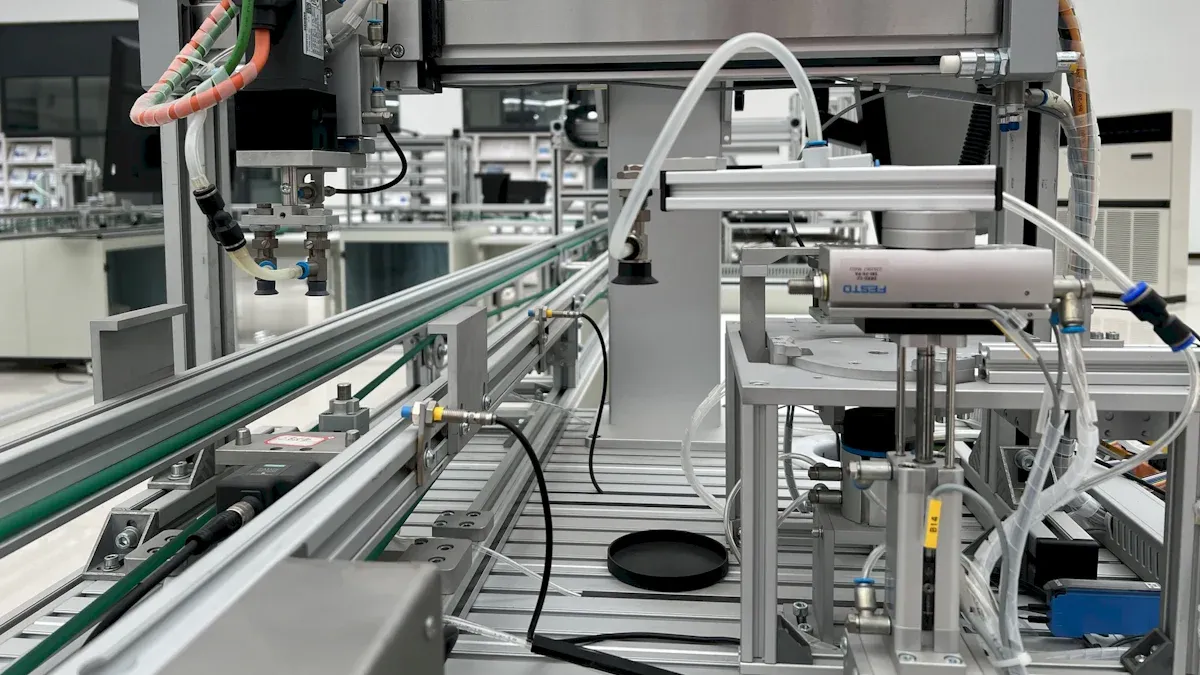
A multi-lane checkweigher checks the weight of many items at once. It has several lanes, so more products get checked quickly. Each lane uses a sensor to measure every item’s weight as it moves. You get quick and correct results. This helps your production line work well. Food, pharmaceutical, and electronics companies need good checkweighers. They must follow strict rules and keep products safe.
Tip: Multi-lane checkweighers let you weigh small things like sachets or stick packs fast and accurately.
Key Features and Functions
The Coffee Sachet Multi-Lane Checkweigher has features that help you work better. Here are some main features in the table below:
| Feature | Description |
|---|---|
| Simultaneous Multi-Lane Weighing | You can check many items’ weights at the same time. This makes your line faster. |
| Automatic Weight Checking | The system removes items with wrong weights. This keeps your quality high. |
| Inline Integration | You add the checkweigher to your line without stopping work. |
| High-Speed Operation | You can check hundreds or thousands of items each minute. |
| Independent Lane Control | You set different weight limits for each lane. This gives you more choices. |
| Modular Design | You can fix or change one lane without stopping everything. |
| User-Friendly Interface | You use a touchscreen to set up and watch the system. |
| Data Collection and Analysis | You collect weight data for every item. This helps you make your process better. |
Sensors in each lane give you correct weight readings. This checkweigher helps you stop waste and keeps your items in the right range.
Integration with Production Lines
You can add a multi-lane checkweigher to your line easily. Its small size saves space, so you do not need to move things around. The system links with your other machines and software. You get live data and more control. You can stop one lane for fixing while others keep working. This means you do not lose time or slow down. You follow industry rules and keep products safe with a good checkweigher that uses smart sensors for every weight check.
Efficiency Benefits of Checkweighers
Throughput and Speed Improvements
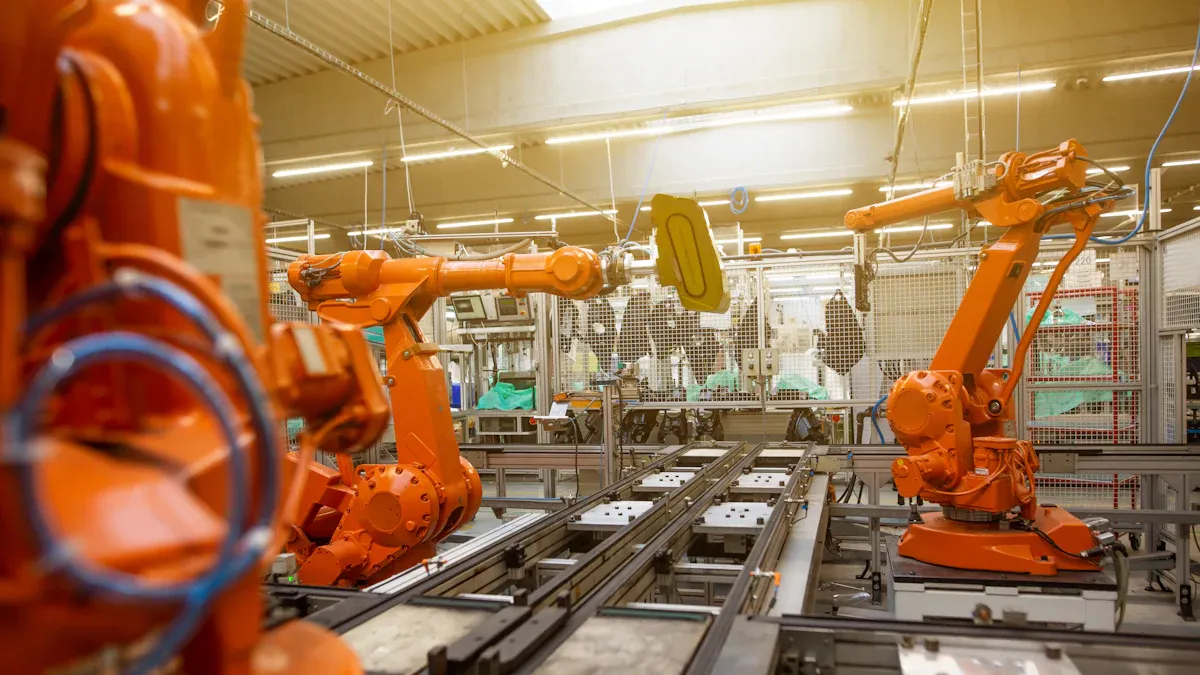
You want your factory line to be fast and steady. A checkweigher helps you do this. When you use a multi-lane checkweigher, you can check many products at once. This means your line does not slow down. Each lane works by itself, so you can fix one lane while others keep going. You see your line get better because you finish more items in less time.
- You can check up to 70 pieces each minute in every lane.
- The system quickly removes products that are too light or too heavy, so you do not need to check by hand.
- Your line keeps moving without stopping for extra checks.
A checkweigher with automatic rejection keeps things running smoothly. You do not have to stop for every problem. This faster speed helps you fill bigger orders and send products out quicker.
Accuracy and Quality Control
You want every product to be just right. A checkweigher gives you the accuracy you need. It checks each item’s weight and takes away any that do not match your limits. This keeps your quality high and helps you avoid mistakes that cost money.
Here is how a checkweigher helps with accuracy and quality:
| Feature | Benefit |
|---|---|
| Detects underweight items | Makes sure only good products go through, so quality stays high. |
| Maintains compliance | Helps you follow rules, so you do not get recalls. |
| Independent lane operation | Lets you change settings for different products without stopping the line. |
| AI and machine learning | Makes checks better and helps your line work well. |
| IoT connectivity | Gives you alerts and live data to help fix problems fast. |
You get full inspection on the line. The checkweigher keeps safe records and makes sure every product has the right weight. You can link the system to data tools for live tracking. If you find a problem, you can fix it quickly, so you do not slow down your line.
Data Management and Process Optimization
You want your factory to get better all the time. A checkweigher helps you with strong data tools. The system collects live data from every lane. You can watch weight trends and find problems early, like heavy products or changes in how things work.
- Live data lets you see how your line works at any time.
- You can use data to make your checks better and improve all the time.
- IoT connectivity gives you alerts to fix things before they break, which can cut surprise stops by up to 40%.
- The system sends data to your main control, so you get reports on how many items you make and why some get rejected.
A simple interface makes it easy to set up and watch the checkweigher. You can change settings for different products and keep your line working with little help. This makes your process better, cuts waste, and helps your factory do more.
Tip: Use your checkweigher’s data to find patterns and make smart changes. This will help you make your line faster and your products better.
Common Problems of Checkweighers and Solutions
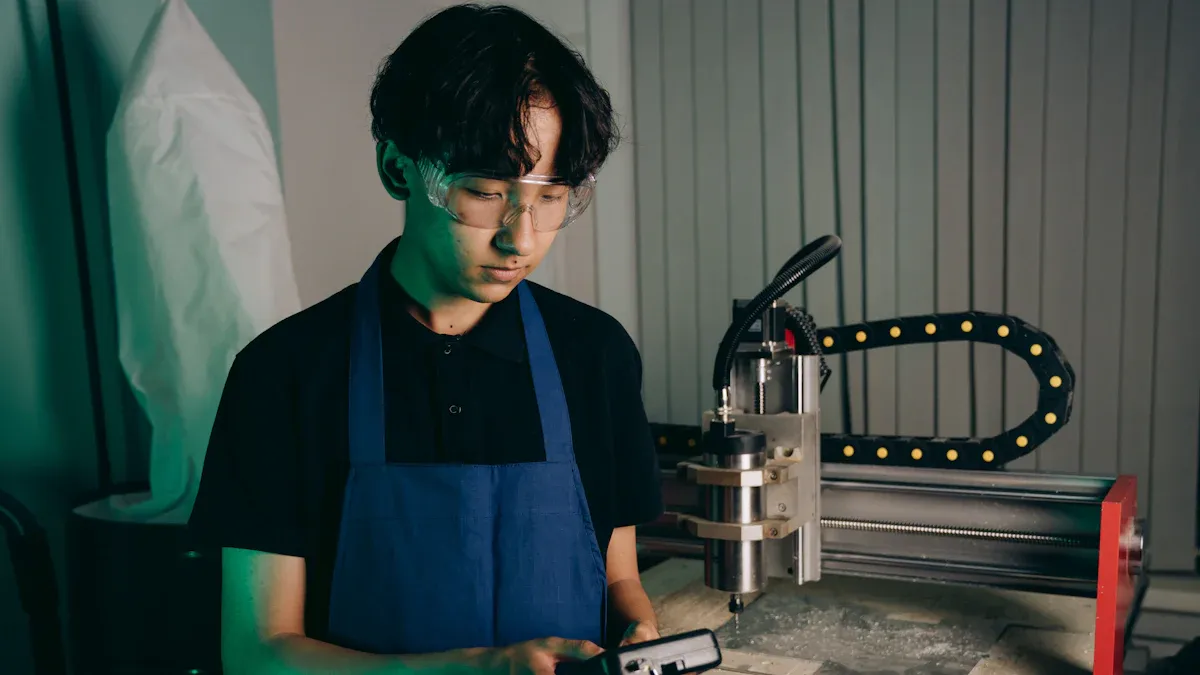
Checkweighers can have problems on your production line. These problems can slow things down or make machines stop working. You need good solutions to keep your checkweigher working well. Here are some main problems and ways to fix them.
Maintenance and Calibration Issues
Checkweighers can have mechanical problems, calibration mistakes, or stop working. Doing regular maintenance helps you avoid these problems. You should look for worn parts, conveyor belt issues, and electrical problems. Calibration is important for correct weights. If you skip calibration, you get wrong results and more breakdowns.
| Issue Type | Description |
|---|---|
| Component Wear and Tear | Parts get old and cause problems or breakdowns. |
| Conveyor Belt Problems | Belt issues make weights wrong and slow things down. |
| Calibration Issues | Not calibrating causes wrong weights and more trouble. |
| Electrical and Software Malfunctions | Power or software problems make the system stop working. |
| Environmental Factors | Changes in temperature or humidity can cause breakdowns. |
| Operational and User Errors | Operator mistakes lead to more problems and breakdowns. |
| Difficulties With Product Handling | Sticky or uneven products can cause breakdowns. |
You fix these problems with regular maintenance, checking calibration often, and quick repairs. Modular design lets you fix one lane while others keep working. Tool-less belt removal makes fixing things fast and easy.
Operator Training Challenges
Operator mistakes are a big reason for checkweigher problems. Training operators well helps stop breakdowns and other issues. Good training uses clear steps and checks learning with data. You can use the Packaging Equipment Training Program, which checks learning with the Kirkpatrick Model.
| Training Program | Methodology | Assessment Techniques |
|---|---|---|
| Packaging Equipment Training Program | Step-by-step, data-based training | Kirkpatrick Model (reactions, learning, behavior, results) |
You fix operator problems with clear instructions, hands-on practice, and regular checks. Easy-to-use screens help operators make fewer mistakes and fix problems quickly.
Space and Configuration Constraints
Checkweighers can be hard to fit if you have little space or a tricky setup. Space-saving designs and modular systems help you add a checkweigher to your line. Some models put electrical parts in the frame rails and have tool-less belt removal. These features help with setup and fixing.
- Space-saving design fits small spaces.
- Tool-less belt removal makes fixing faster.
- Works with other machines to solve setup problems.
You fix these checkweigher problems by picking modular systems. You get easy upgrades and less time stopped. Your line stays flexible and ready for new products.
Tip: Fix problems before they stop your line. Use modular systems, regular maintenance, and strong operator training to keep your checkweigher working well.
Preventative Maintenance and Best Practices
Regular System Checks
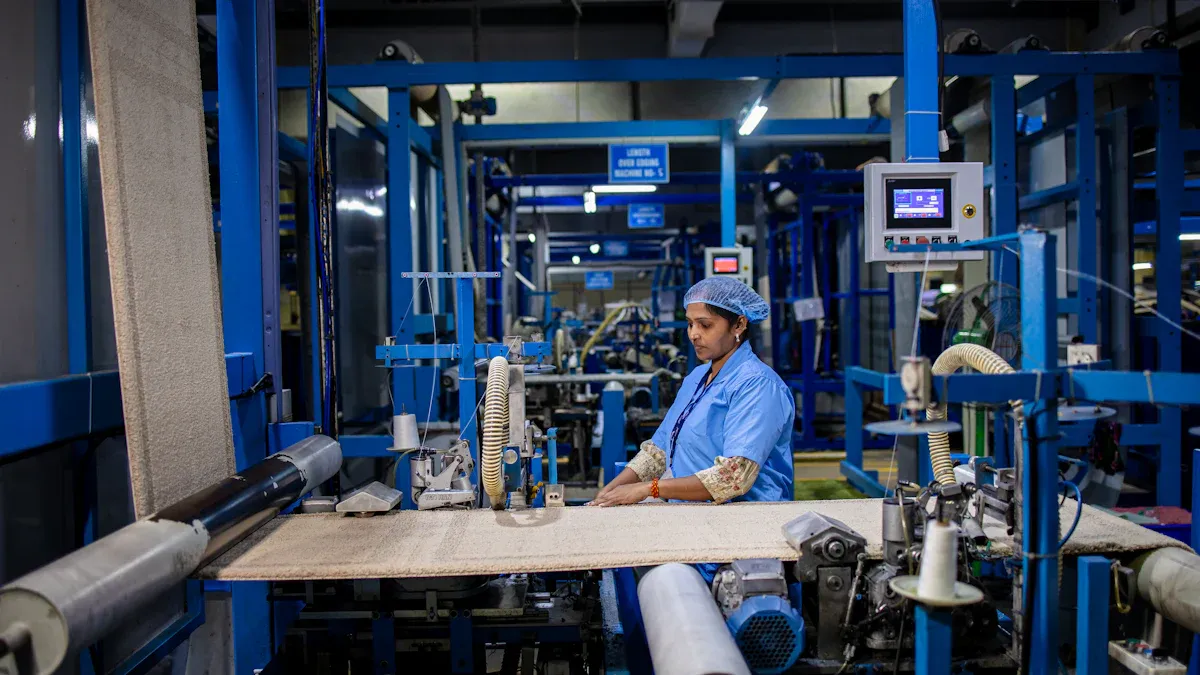
You need to check your multi-lane checkweigher often. This keeps it working well. Preventative maintenance is like a health check for your machine. You look for old parts and clean the sensors. You also check if the calibration is right. Doing these things helps you find small problems early. This stops them from getting worse. If you follow a schedule, you avoid long stops. Your line keeps running fast. It is like changing your car’s oil. You protect your machine and keep it working right for a long time.
Tip: Make a checklist for daily, weekly, and monthly jobs. This helps you remember what to do and keeps you organized.
Performance Analysis
You want your line to work its best. Performance analysis gives you helpful data. You count how many products pass and how many get rejected. You also see how fast your system works. This information shows you where things can be better. You use it to fix weak spots and improve your process. The table below shows how each feature helps your line:
| Feature | Impact on Efficiency |
|---|---|
| Accuracy | Cuts down on waste and helps you follow rules |
| Speed | Lets you check up to 600 packages each minute |
| Integration capabilities | Helps all your machines work together |
| Real-time data analysis | Makes work smoother and stops mistakes |
| Maintenance support | Keeps your machine working well for longer |
You use this data to change settings and train your team. You can also plan upgrades. This keeps your line working fast and well.
Leveraging Advanced Software
You make your line better with advanced software. Modern checkweighers connect to control systems like PLCs and SCADA. These systems let you watch weights live and fix problems right away. If a product is not right, the software can sound an alarm or stop the line. You use these tools to get more good products and protect your brand. Real-time checks help you fix problems fast and keep your products the same every time.
Note: Keep training your team and use data to get better. This helps you get the most from your checkweigher and keeps your line working well.
You can make your production line better with a multi-lane checkweigher like the Coffee Sachet Multi-Lane Checkweigher. Companies using these systems get more audit approvals and follow rules better. Today, the market wants fast, AI-powered machines for food and medicine. You work faster when you focus on regular maintenance, teaching workers, and using smart data tools.
| Feature | Coffee Sachet Multi-Lane Checkweigher | Other Models |
|---|---|---|
| Throughput | High | Varies |
| Multi-lane | Yes | Varies |
- You get ahead when you use smart and dependable checkweighers for your line in the future.
FAQ
How do you set up a multi-lane checkweigher?
You follow the setup guide on the touchscreen. The system walks you through each step. You can adjust lane settings and weight limits. You finish setup in minutes.
What products work best with a multi-lane checkweigher?
You can use sachets, stick packs, small boxes, or pouches. The system works well for food, pharmaceuticals, and electronics. You get the best results with items weighing 1-50g.
How often should you calibrate the checkweigher?
You should calibrate the system daily or before each production run. Regular calibration keeps your results accurate and helps you avoid errors.